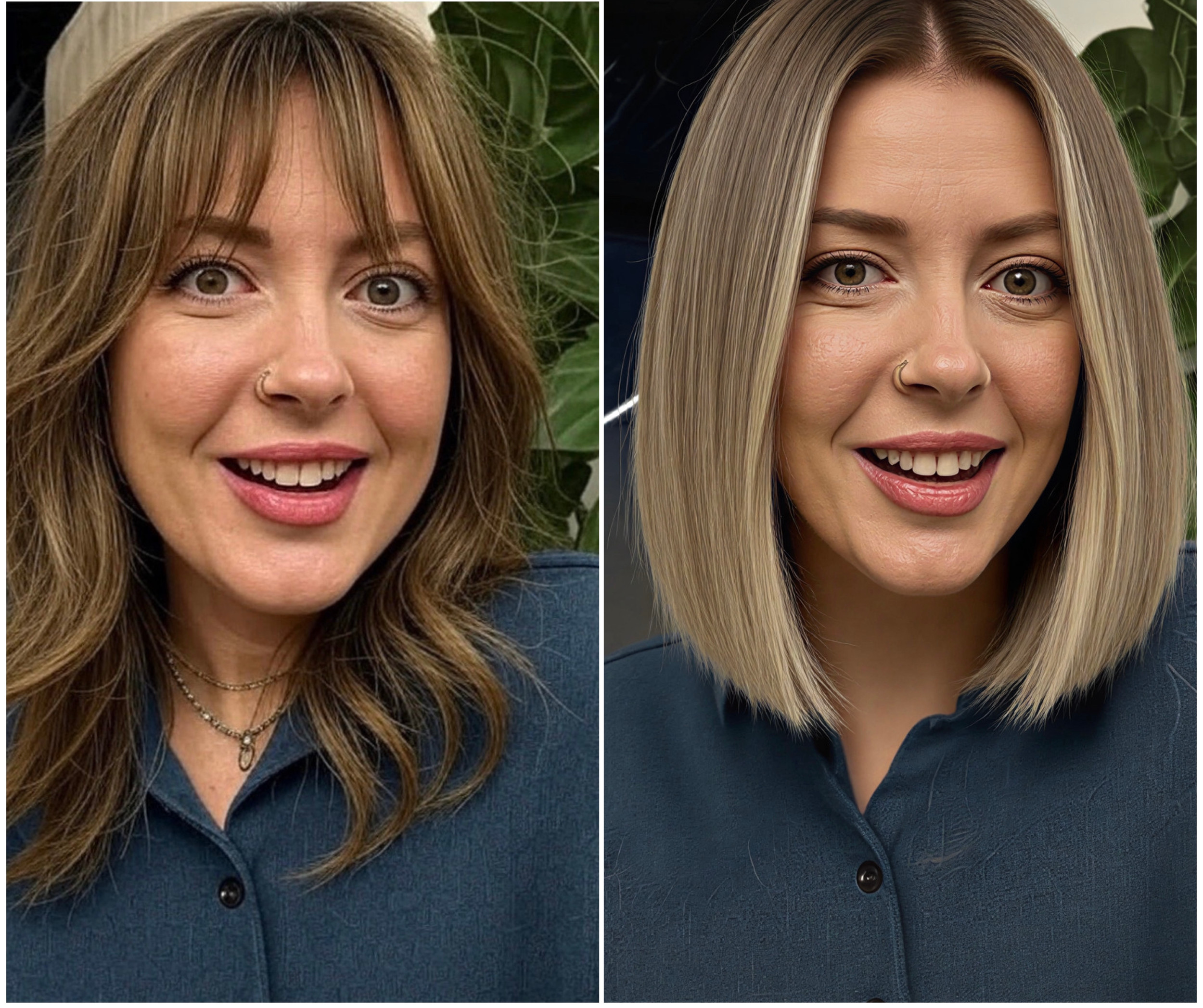
Quick Facts
- Average Growth Rate: Human hair grows approximately 0.5 inches per month, totaling about 6 inches of potential growth per year.
- Transition Timeline: Moving from a classic chin-length bob to a shoulder-skimming "lob" typically takes 4 to 6 months; reaching mid-back length often requires a full year or more.
- Maintenance Trims: Stylists recommend a "dusting" or maintenance trim every 10 to 12 weeks to manage weight and shape without sacrificing vertical progress.
- Essential Tools: A slim flat iron for nape sections, texturizing spray for "masking" uneven lengths, and silk scrunchies to prevent breakage.
- Key Styling Strategy: Transitioning the silhouette from an A-line (longer in front) to a square or "box" shape to prevent the dreaded "mullet" effect.
We’ve all been there. One minute, you’re in the salon chair, feeling the liberating snip of a fresh, blunt Scandi-bob. It’s chic, it’s modern, and it makes every outfit look like "old money." But fast forward three months, and the honeymoon phase is officially over. Your once-sharp ends are flipping outward against your shoulders, the back is starting to feel heavy and "mullet-adjacent," and you’re caught in the gravitational pull of the "awkward phase."
As a hair health and scalp editor, I hear this frustration daily. Growing out a bob isn't just about waiting; it's an exercise in structural engineering and follicular patience. The transition from a short, structured cut to flowing length requires a shift in how you view maintenance. It’s a common misconception that you should stop seeing your stylist altogether to gain length. In reality, the "skip the salon" approach is exactly what leads to that shapeless, frustrating middle ground. To grow your hair out with grace, you need a strategy that prioritizes scalp health, strategic reshaping, and clever styling illusions.
The Reality Check: Your Growth Timeline
Before we dive into the styling hacks, we need to address the biological math. The question I am asked most frequently is: How long does it take to grow out a bob?
Because human hair grows at an average rate of 0.5 inches per month, you are looking at roughly 6 inches of growth per year. If you are starting with a chin-length bob (roughly 8-10 inches from root to tip) and aiming for collarbone length, you need about 4 to 5 inches of growth. When you factor in the necessary "dusting" of the ends to prevent split ends from traveling up the hair shaft, a clean transition usually takes six to eight months.
The secret to surviving this timeline is the 10-12 week maintenance trim rule. While it sounds counterintuitive to cut hair when you want it long, your hair doesn't grow at an even rate across your entire scalp. The hair at the nape of your neck often feels like it's growing faster simply because it has a shorter distance to travel to hit your shoulders. A professional trim every three months allows your stylist to remove the "weight" from the back while leaving the length at the sides, ensuring your bob evolves into a deliberate-looking "lob" (long bob) rather than an accidental shag.
Tip 1: Reshape to Reclaim Your Style
The biggest hurdle in the bob-to-long-hair journey is the silhouette. Many popular bobs, like the A-line or the stacked bob, are shorter in the back and longer in the front. As this grows, the back hits the shoulders first and begins to "flip," while the front stays stubbornly hovering around the jawline. This creates a disorganized, bottom-heavy look.
To fix this, experts suggest evening off the longer front sides of an A-line bob to match the back more closely. By removing that "diagonal" line and moving toward a square-shaped or "box" cut, the hair looks thicker and more intentional as it descends toward the shoulders. Your stylist should also focus on "internal layering"—thinning out the bulk from the mid-lengths of the back so the hair moves with you rather than sitting like a heavy shelf.
Pro Tip: Ask your stylist for a "dusting" rather than a trim. This specific technique involves cutting less than a quarter-inch of hair, focusing only on the frayed ends, which preserves every possible millimeter of your growth progress.
Tip 2: Use Bangs as a Transitional Bridge
When the length of your hair feels stagnant, changing the "focal point" of your face can make the entire style feel fresh. This is where curtain bangs or a soft fringe become your best friend. By introducing shorter pieces around the face, you break up the solid horizontal line of the bob.
Curtain bangs act as a visual bridge; they blend the shorter layers of a growing bob into a more cohesive, layered look. It usually takes about three months for a fresh fringe to reach that "comfortable" cheekbone-blending length, which perfectly coincides with the time your bob starts hitting the "awkward" shoulder-grazing stage.

When choosing bangs during a growth phase, consider your facial structure. If you have a rounder face, longer, wispy curtain bangs can help elongate the look. For heart-shaped faces, a fuller fringe can balance the transition. The goal is to make the "in-between" length look like a choice, not a waiting room.
Tip 3: Color Illusion and Dimension
Never underestimate the power of a "lived-in" color technique. When hair is a solid, monochromatic shade, every uneven millimeter of the "awkward phase" is visible. By introducing dimension through highlights, lowlights, or a soft balayage, you create a "blurring" effect.
Strategic highlights can soften "heavy" areas—usually the back and the corners—where the hair tends to look the thickest during growth. A "root shadow" or "color melt" is particularly effective because it allows your natural hair to grow in without a harsh demarcation line, making your hair look intentional even if you haven't been to the colorist in four months. This "lived-in" aesthetic mimics the natural sun-bleached look of longer hair, subconsciously signaling "long hair vibes" even while you're still at a medium length.
Tip 4: Master the 'In-Between' Style Trends
How you style your hair at home will determine whether you spend the morning frustrated or feeling like a trendsetter. Currently, the hair world is obsessed with textures that actually favor the awkward phase.
The Beach Bob
The "Beach Bob" is essentially a messy, textured version of the classic cut. By using a 1-inch curling wand or a texturizing sea salt spray, you can create "kicked out" ends. This intentionally messy look masks the fact that your hair is flipping against your shoulders—a common annoyance when a bob hits the trapezius muscle.

The Slicked-Back Bob
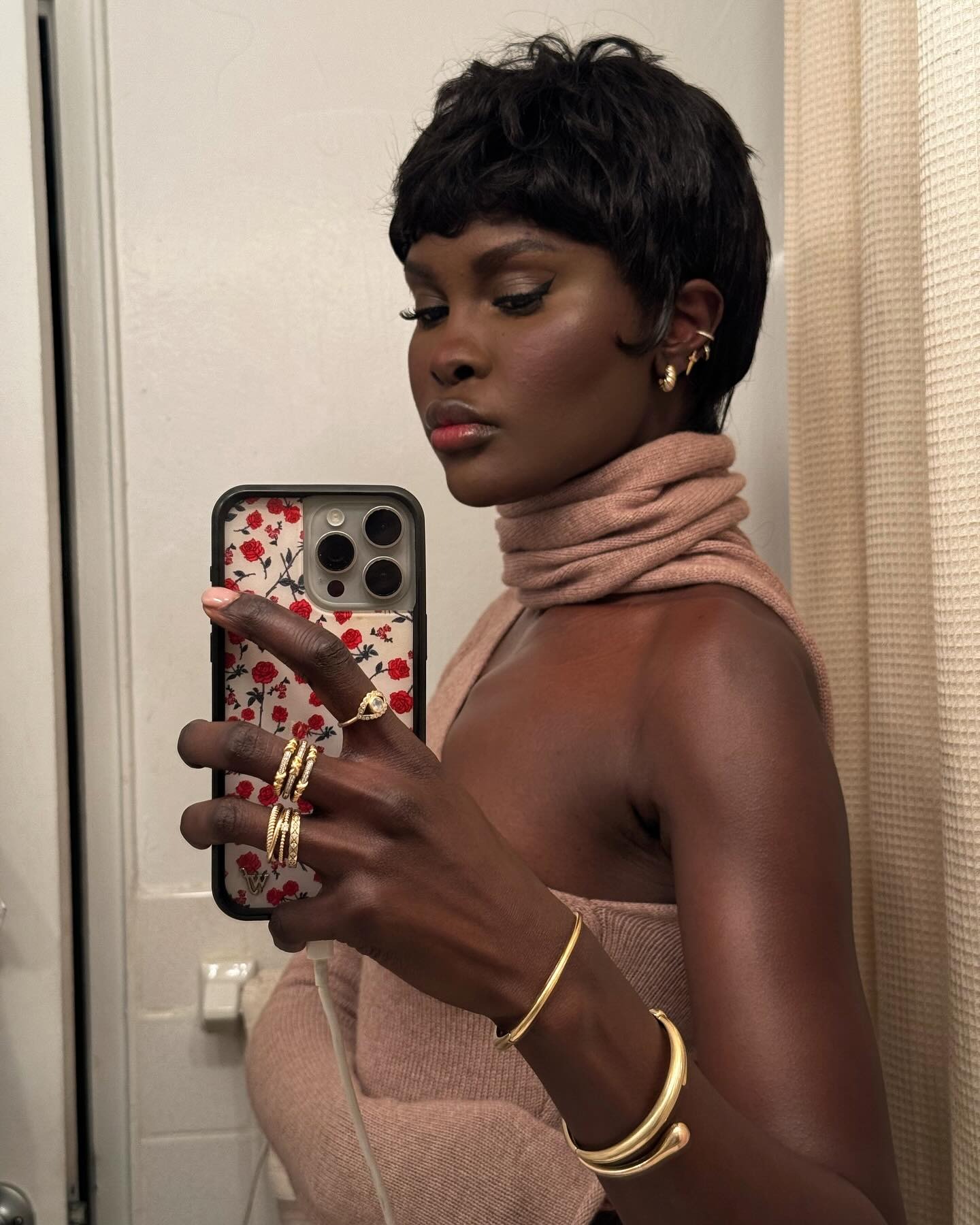
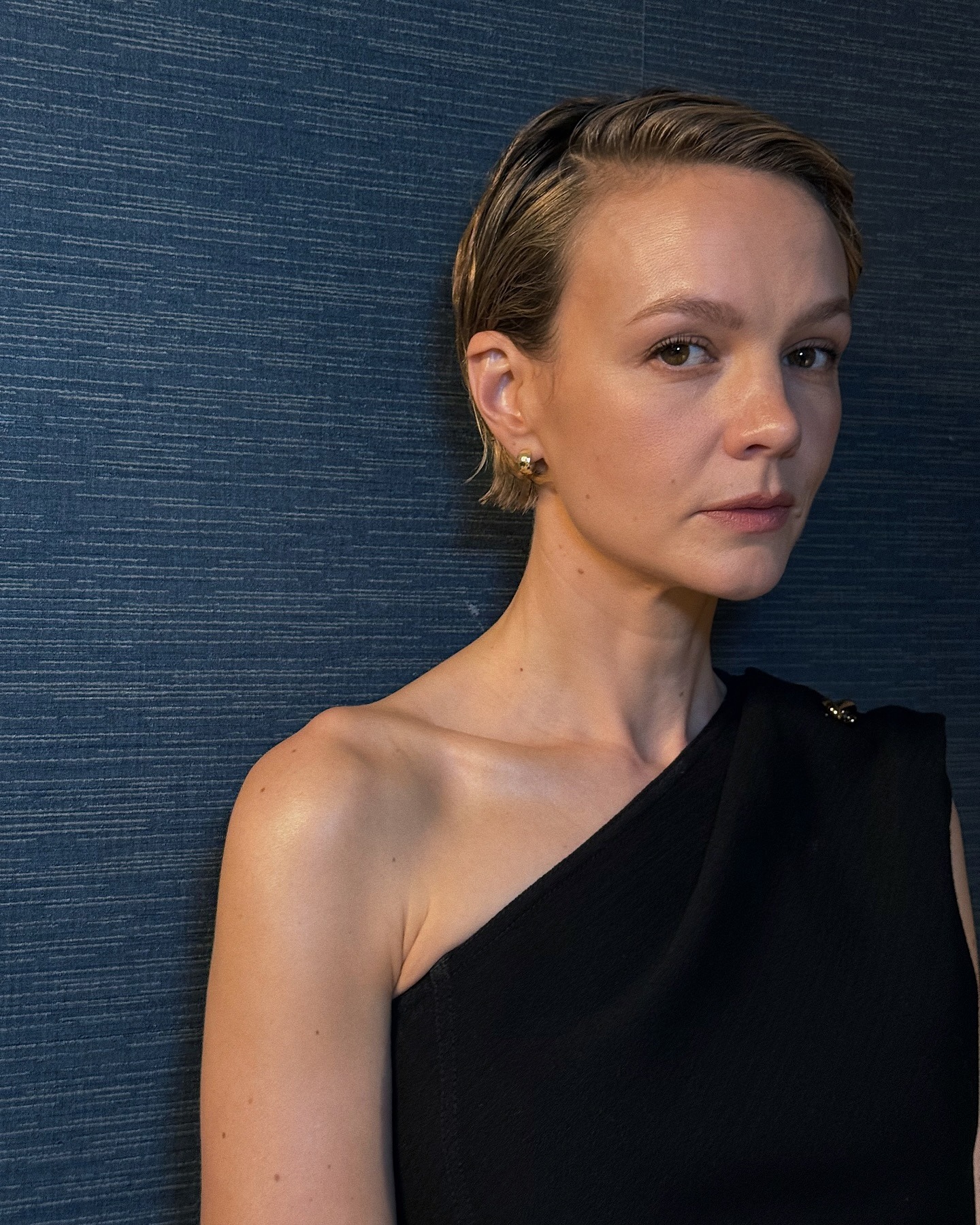
For days when the uneven lengths are particularly stubborn, the slicked-back look is your high-fashion savior. Using a high-shine gel or a styling cream, comb the hair back away from the face and tuck it behind the ears. This makes even the most awkward "in-between" lengths look polished, sharp, and intentional. It’s a favorite for red carpets because it hides layers that aren't quite long enough to tie up.
Accessories: The Great Concealers
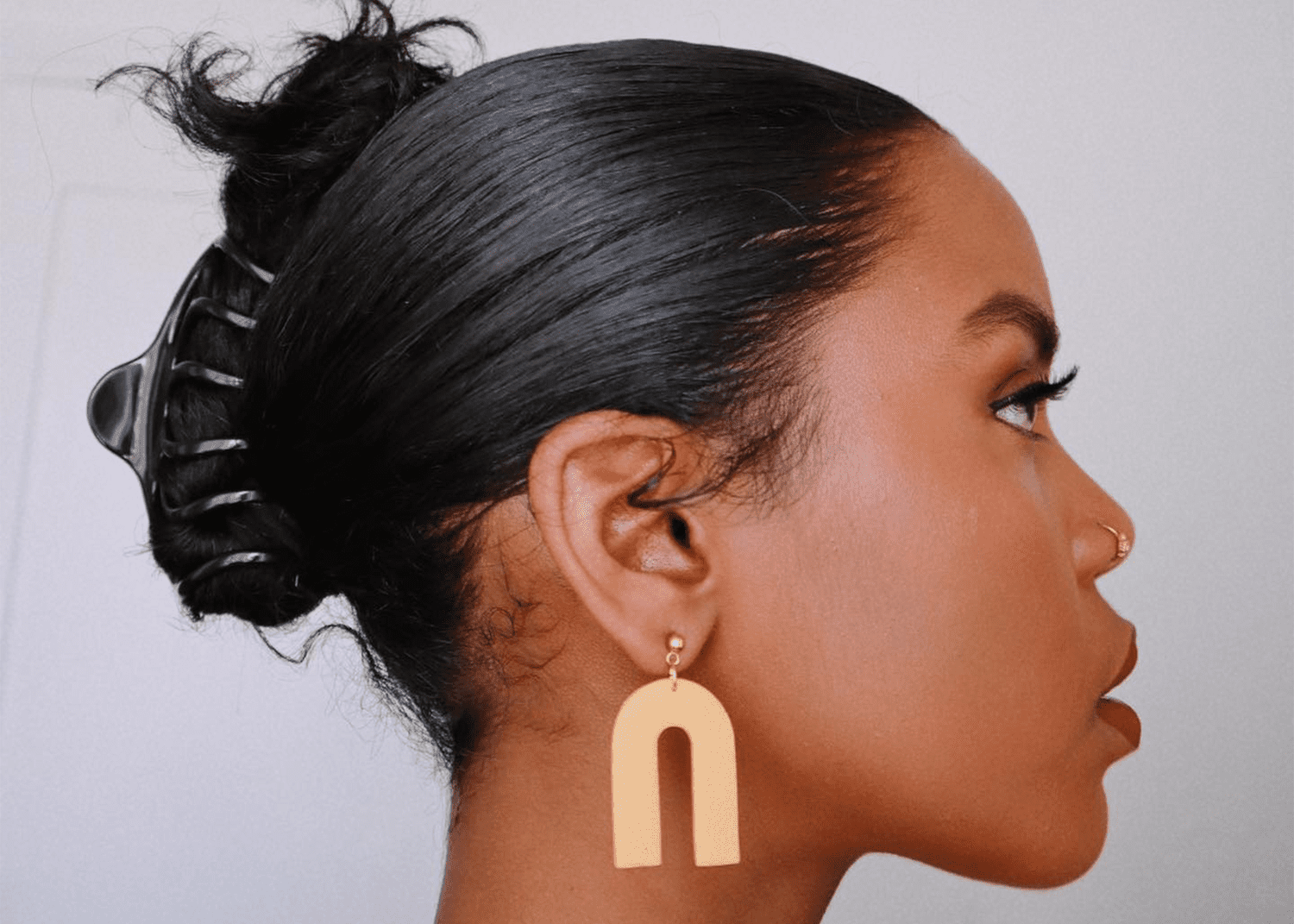
When all else fails, accessorize. Claw clips are currently having a massive resurgence, and they are perfect for half-up, half-down styles that hide shorter nape layers. Padded headbands can add height at the crown, drawing the eye upward and away from the ends. Barrettes and decorative bobby pins can pin back the "front wings" of a growing A-line bob that refuse to stay in place.
Tip 5: Your Pro-Growth Styling Arsenal
To get through the next six months, your bathroom cabinet needs an upgrade. Growing hair is more prone to mechanical damage because it's being manipulated more often to "hide" the awkward length.
First, invest in a slim flat iron. As your hair grows, the nape layers will be the most difficult to style. A slim iron allows you to reach those short sections to either tuck them under or flick them out, preventing the "triangular" shape that bobs often take on as they grow.
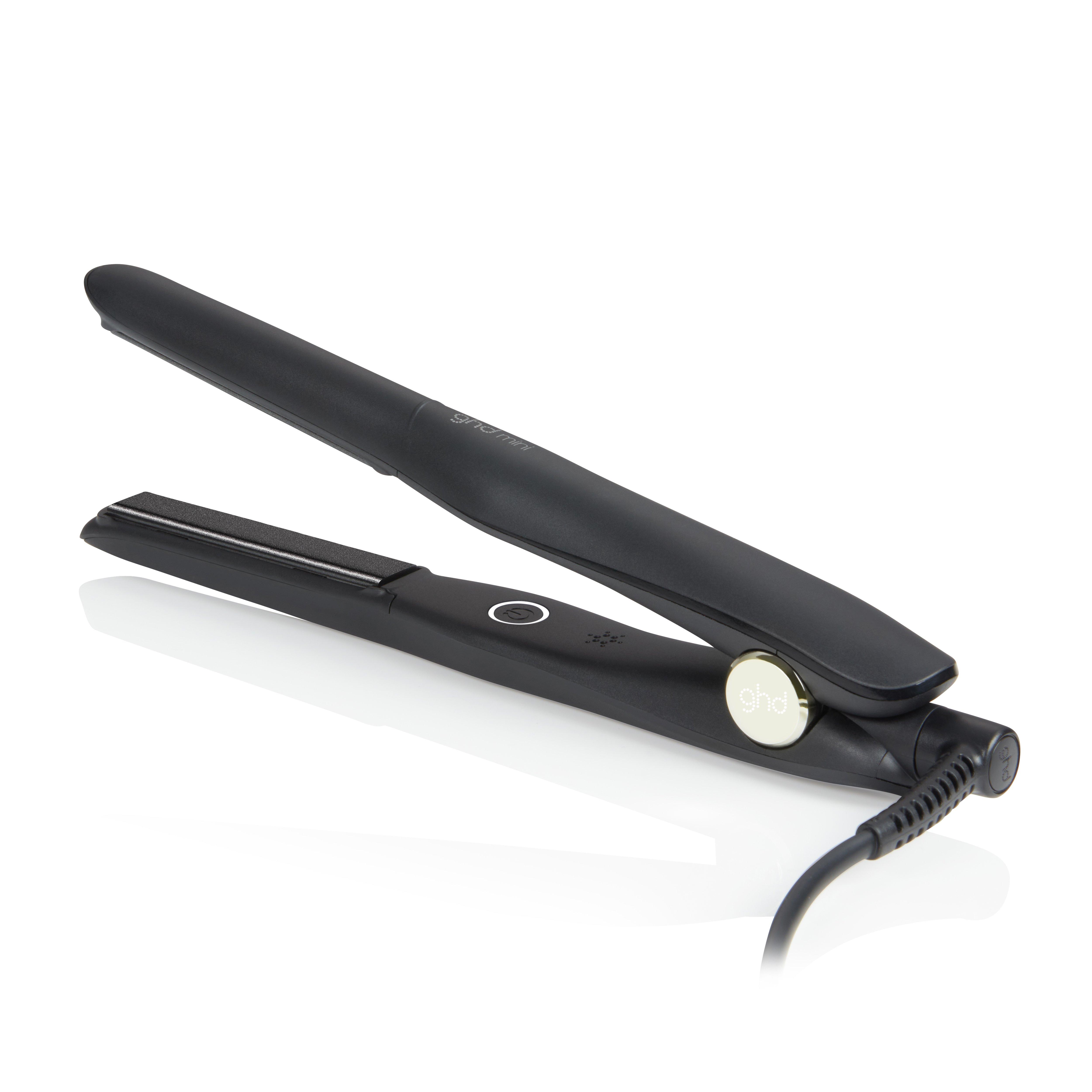
Second, focus on products that provide "grip" and "protection." A volumizing mousse applied to damp roots will prevent the hair from looking flat and weighed down as the length increases. Always use a heat protectant; if the ends of your hair break because of heat damage, you are effectively "trimming" your hair every day, which will stall your progress indefinitely.

The Last Resort: When You Can't Wait
Sometimes, the "awkward phase" wins the mental battle. If you have an event or simply cannot tolerate the middle-ground length, consider professional extensions. Modern "hand-tied wefts" or "tape-ins" can be customized to blend perfectly with a bob. Your stylist can add just a few rows to provide thickness and an extra 2-3 inches of length, effectively "skipping" the next six months of waiting. Clip-ins are also a fantastic non-permanent option for those who want long hair for the weekend but want to continue the growth journey during the week.
FAQ
Does scalp massage really help hair grow faster? While it won't double your growth rate overnight, scalp massage increases blood flow to the hair follicles, ensuring they receive the oxygen and nutrients needed for optimal growth. It also helps remove sebum buildup that can stifle the follicle. Think of it as "priming the soil" for better results.
Can I grow out my bob without getting any trims? Technically, yes, but it won't look good. Without maintenance, the ends will become thin and "see-through," and split ends will eventually break off higher up the strand. You’ll end up losing more length in the long run than you would have with a few 1/4-inch trims.
What is the hardest length to manage when growing out a bob? Usually, it's when the hair hits the shoulders. This is where the hair naturally wants to flip outward. This is the best time to lean into "The Beach Bob" texture or the "Slicked-Back" look mentioned above.
Final Thoughts
Growing out a bob is as much a mental game as it is a styling one. By shifting your focus from "how long it is" to "how healthy it is," the time will pass much faster. Remember: every inch of growth is an opportunity to experiment with a new version of yourself. Use this time to master new tools, embrace hair accessories, and focus on the health of your scalp. Before you know it, you’ll be looking at photos of your short bob and wondering why you were ever in such a rush to leave it behind.