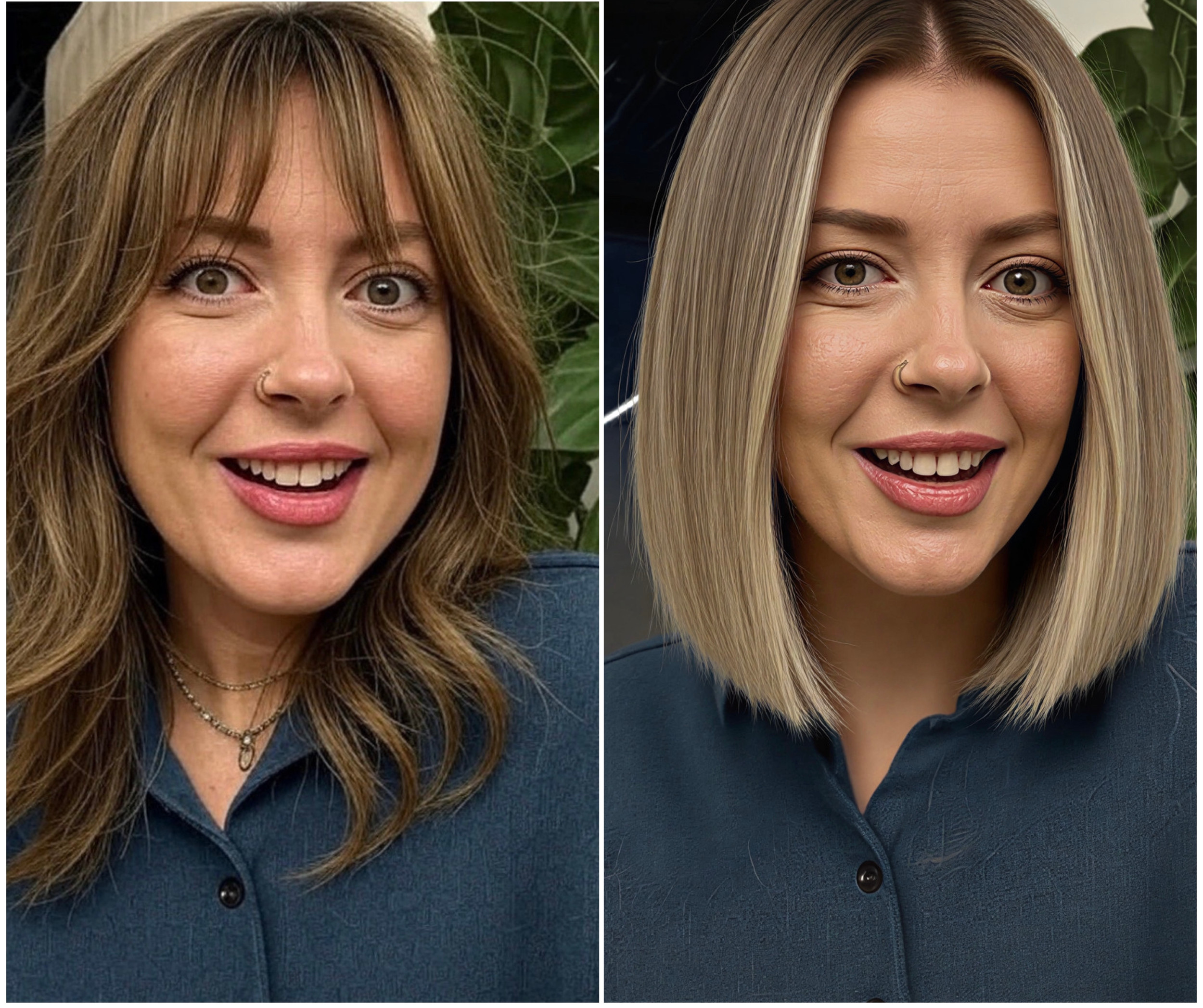
Hair in your face? Throw it in a clip. Day-three hair looking a bit limp? Throw it in a clip. Running five minutes late for a Zoom call? You guessed it—throw it in a clip. The claw clip is the undisputed MVP of the modern morning, a nostalgic 90s relic that has reclaimed its throne as the ultimate "lazy-girl" accessory. It’s effortless, it’s chic, and it’s supposedly "better" for your hair than those tight, elastic hair ties we’ve been told to avoid since 2010.
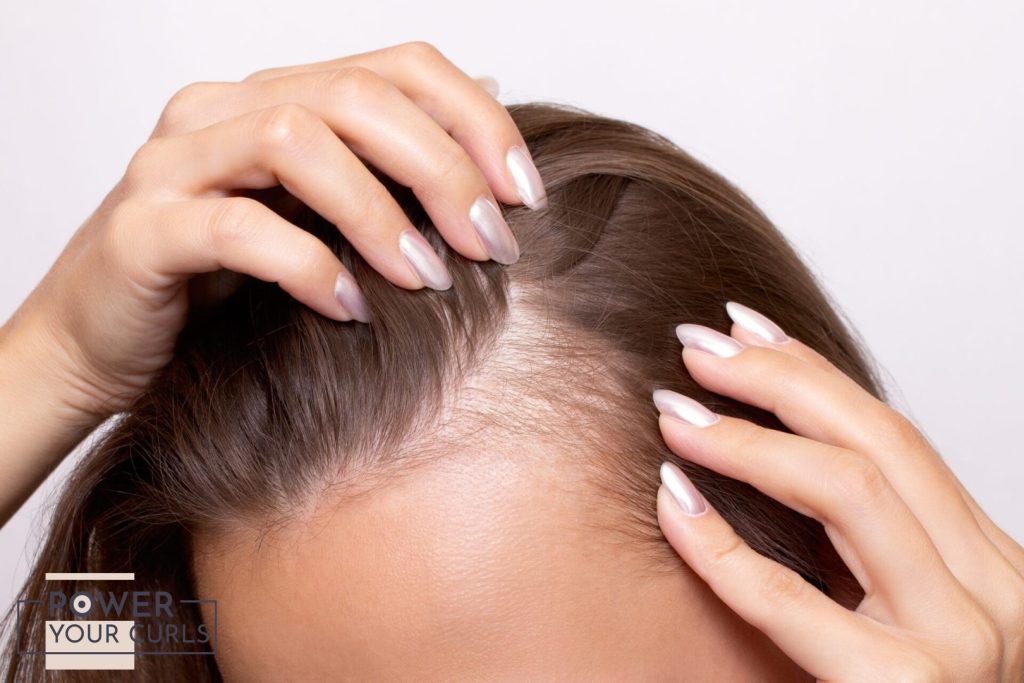
But as a hair health editor, I’ve started to notice a shift in the conversation. My DMs are filled with readers asking why they’re seeing shorter, fuzzy flyaways exactly where their favorite acetate clip sits. Trichologists are seeing an uptick in "localized thinning" in women who live in their clips. So, the question remains: Are claw clips actually ruining your hair?
The short answer is: They can. While generally safer than high-tension elastics, claw clips can cause significant hair breakage if they are worn too tightly, clipped in the same spot repeatedly, or if the clip itself features sharp metal edges or rough plastic seams that snag and weaken the hair shaft. However, with the right tools and a bit of "clip hygiene," you don't have to banish them from your vanity just yet.
The Expert Verdict: Can Claw Clips Actually Cause Breakage?
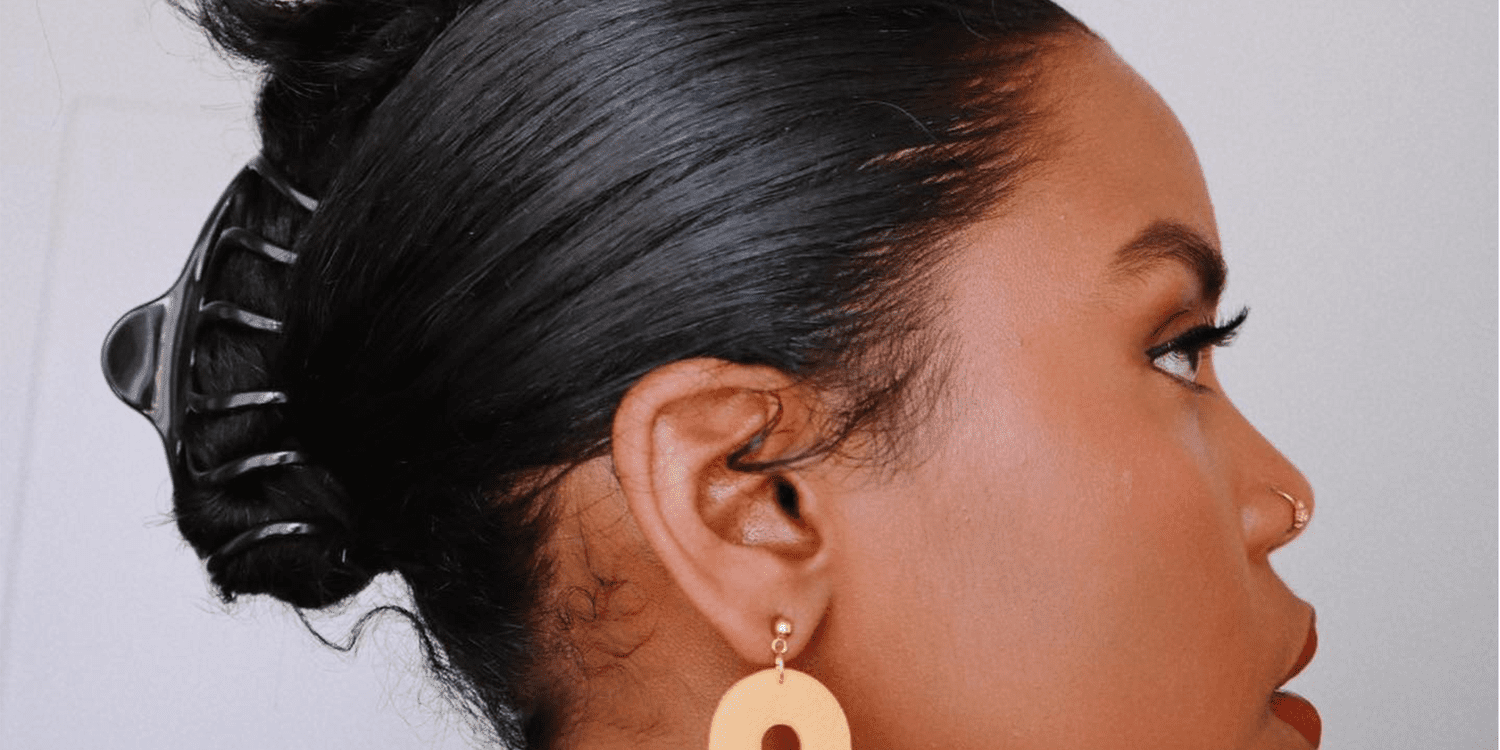
We’ve long been told that elastics are the enemy because they create a "strangulation" point on the hair, leading to a visible line of breakage. Claw clips were marketed as the savior—a way to gather hair without that circular tension. However, the risk with clips is less about strangulation and more about mechanical stress.
When you twist your hair into a bun and secure it with a spring-loaded hinge, you are creating what experts call "chronic pressure points." If that clip is heavy or the spring is particularly tight, it exerts constant downward pressure on the hair follicles at the scalp and physical friction on the mid-lengths. Over time, this constant tugging can lead to traction alopecia, a form of gradual hair loss caused by repetitive pulling.
"It’s a common misconception that 'looser' styles are always safer," says one senior trichologist we consulted. "If a claw clip is heavy and slides down throughout the day, it’s pulling on the front-facing hairs of your hairline every single time it moves. That’s how you end up with those stubborn baby hairs that never seem to grow."
Beyond the scalp, we have to talk about the "Sharp Edge Factor." Many budget-friendly clips are made from injection-molded plastic. If you look closely at the "teeth" of a cheap clip, you’ll often see a thin, sharp line where the two halves of the mold met. These microscopic burrs act like tiny saws, nicking the cuticle of your hair every time you open and close the clip.
The Unexpected Safety Warning: Why You Should Never Wear a Claw Clip While Driving
This is a point that often catches my readers off guard, but it is perhaps the most critical "safety" tip I can offer. You should never wear a claw clip while driving or riding as a passenger in a car.
Think about the physics: a claw clip is a hard, often pointed object made of reinforced plastic or metal, positioned directly at the back of your skull. In the event of even a minor rear-end collision, your head is thrown back against the headrest. If a claw clip is sandwiched between your skull and that headrest, it acts as a blunt-force wedge.
There have been documented cases of the clip's teeth being driven into the scalp or causing traumatic injury to the neck and spine during sudden stops. Beyond the extreme risks, wearing a clip while driving forces your head into an unnatural forward tilt, ruining your posture and potentially creating a blind-spot obstruction. For your commute, I always recommend switching to a low, silk scrunchie or a flat braid that allows your head to rest flush against the seat’s safety equipment.
Choosing the Right 'Safe' Clip for Your Hair Type
The global hair care market is projected to reach $213.47 billion by 2032, and a huge driver of that growth is a shift toward "wellness-first" accessories. Consumers are no longer okay with tools that damage their hair. By 2026, experts predict a major trend shift toward accessories specifically designed to prioritize hair health, such as hand-polished acetate and silicone-lined grips.
To protect your strands, you need to match your clip to your specific hair architecture:
| Hair Type | Recommended Clip Feature | Why It Matters |
|---|---|---|
| Fine / Thin | Small, lightweight resin with mild spring tension. | Heavy clips will slide, causing friction and pulling on delicate roots. |
| Thick / Long | Jumbo XL clips with wide, interlocking teeth. | Distributes the weight of the hair over a larger area to reduce pressure. |
| Curly / Textured | Silicone-coated teeth or wide-set claws. | Prevents the clip from "disrupting" the curl pattern or snagging on coils. |
If you have curly or textured hair, the goal is to find a clip that "cradles" the hair rather than "crushes" it. Look for designs that have a wider "belly" to accommodate the volume of your curls without forcing them into a tight, damaging twist.
Material Spotlight: Why Cellulose Acetate is King
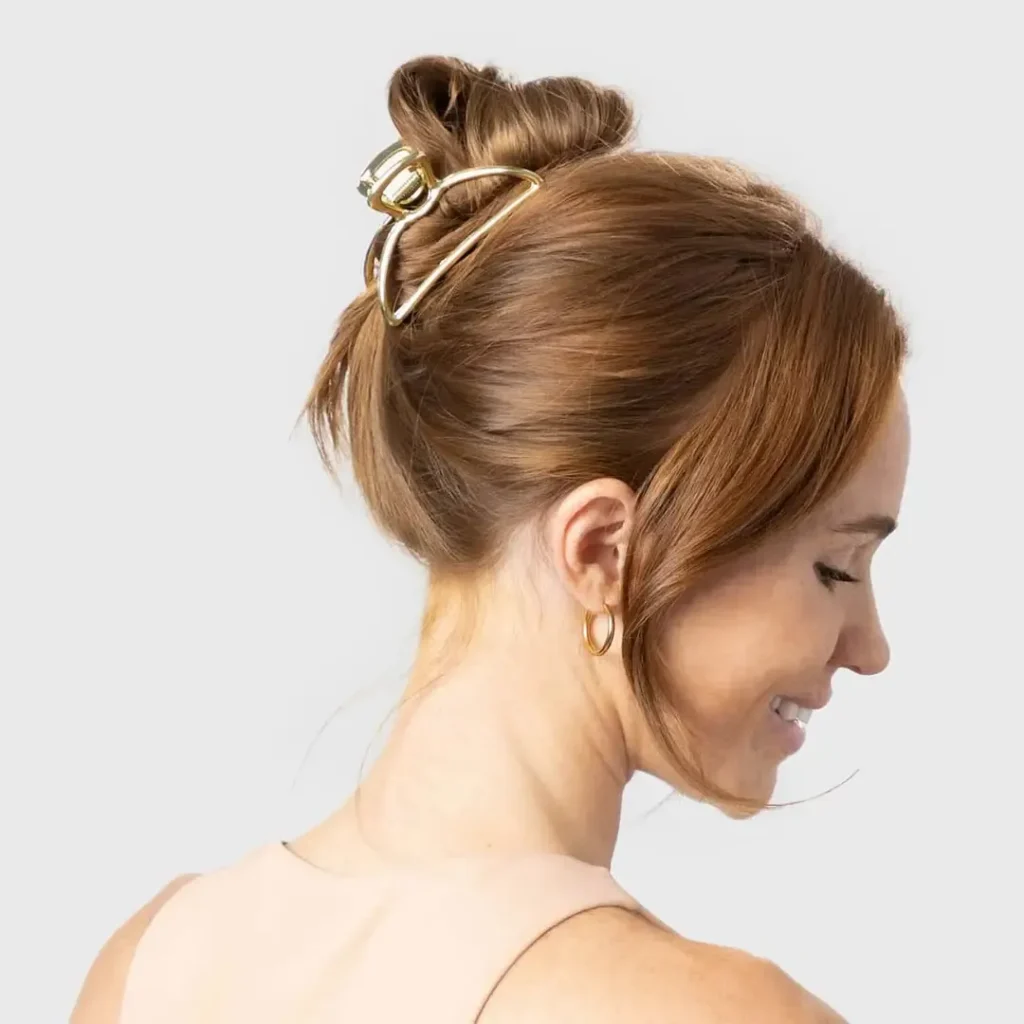
When shopping, the word you want to look for is Cellulose Acetate. Unlike cheap, brittle plastic, acetate is a plant-based material that is often hand-cut and polished. This means there are no "seams" or sharp edges to snag your hair. It’s also much more flexible, meaning the teeth will give a little before your hair snaps. It’s an investment, yes, but your cuticle will thank you.
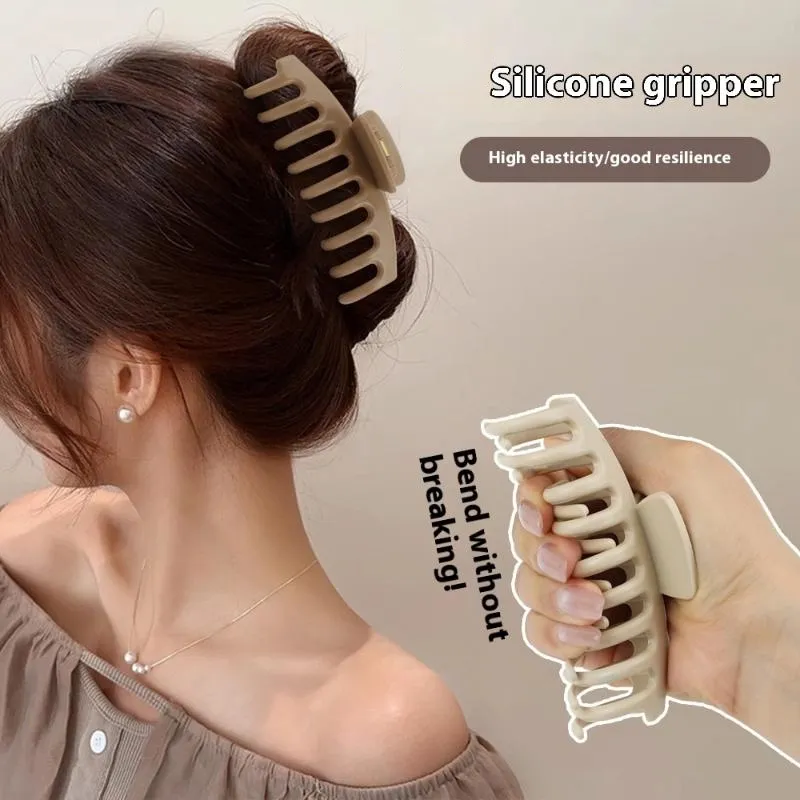
Top Editor-Approved Non-Damaging Clips
I’ve spent months testing the "clinch" and "snag-factor" of dozens of brands. Here are the ones that actually live up to the hype:
- Best Color Range & Material: Machete Midi Heirloom. These are made from high-quality Italian acetate. They are incredibly smooth to the touch and come in over 30 hues. The "midi" size is perfect for most hair types because it’s lightweight enough to prevent scalp pull.
- Best for Thick Hair: Emi Jay Heartbreaker. If you have a "mane" that usually breaks plastic clips, this is your solution. It uses a sturdy metal base but is engineered with rounded edges to prevent the typical "metal-clip" damage.
- Best for Fine Hair: The Hair Edit Epic Clip. Despite the name "Epic," they offer versions that are surprisingly lightweight. Their spring mechanism is firm but doesn't feel like a "trap" for your hair.
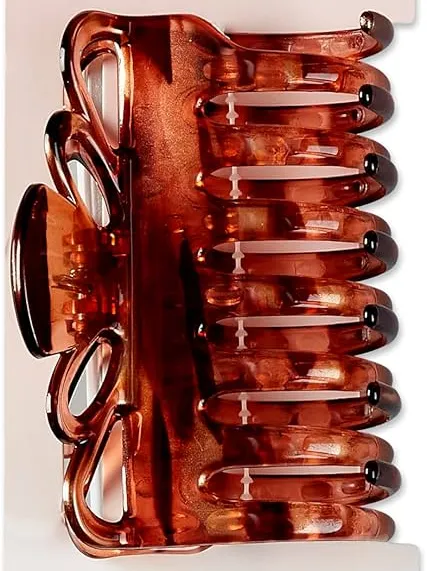
Pro Styling Guide: How to Wear a Claw Clip Safely
You don't have to give up the aesthetic. You just need to change your technique. Follow these steps to ensure your "lazy-girl" style is actually a "healthy-girl" style:
- Prep with a Leave-In: Before clipping, apply a tiny amount of lightweight hair oil or leave-in conditioner to the mid-lengths. This creates a "slip" that protects the cuticle from friction.
- The "Loose Twist": Instead of twisting your hair into a tight, rope-like coil (which puts immense stress on the strands), gather it into a loose, soft fold.
- Rotate the Placement: This is the most important rule. If you clip your hair at the crown on Monday, clip it at the nape of your neck on Tuesday. Never let the clip sit in the exact same spot two days in a row to avoid creating a permanent weak point in the hair shaft.
- Listen to Your Scalp: If you feel a "tingle" or a slight ache at your roots by 2:00 PM, the clip is too tight or too heavy. Take it out immediately.
On high-friction days—like when you’re working out or doing heavy chores—opt for silk scrunchies or fabric-covered French pins instead. These provide zero-tension hold and allow your hair to "breathe" between clip sessions.

FAQ: Your Top Hair Health Questions Answered
Q: Can I sleep in a claw clip? A: Absolutely not. Sleeping in a claw clip is a recipe for disaster. The friction between your pillow and the hard plastic as you move during the night will cause massive breakage. Furthermore, the pressure against your skull can lead to tension headaches. Opt for a loose silk bonnet or a "pineapple" bun with a silk scrunchie instead.
Q: My clip always slides down. Does that mean it’s damaging my hair? A: Yes. If a clip slides, it is actively "scraping" the hair cuticle as it moves. It also means it’s pulling on your front hairline. Switch to a smaller clip or one with a silicone-lined interior for better "grip" without the "rip."
Q: How often should I replace my claw clips? A: Inspect your clips monthly. If you see any cracks in the plastic, chips in the coating, or if the metal spring starts to rust or show sharp edges, toss it. A damaged clip is a dangerous clip for your hair.
Join the Healthy Hair Movement
The trend forecast for 2026 is clear: we are moving away from "high-tension" beauty and toward "low-impact" maintenance. The claw clip is a wonderful tool, but like any tool, it must be used with intention. By choosing high-quality materials, varying your styles, and prioritizing safety—especially in the car—you can enjoy the 90s aesthetic without the 2020s hair thinning.
What’s your favorite non-damaging way to style your hair? Share your tips with us in the comments below, and let’s keep our strands strong together!